
Perfecting the Basics of Hot Water Plumbing: Your Ultimate Starter Kit
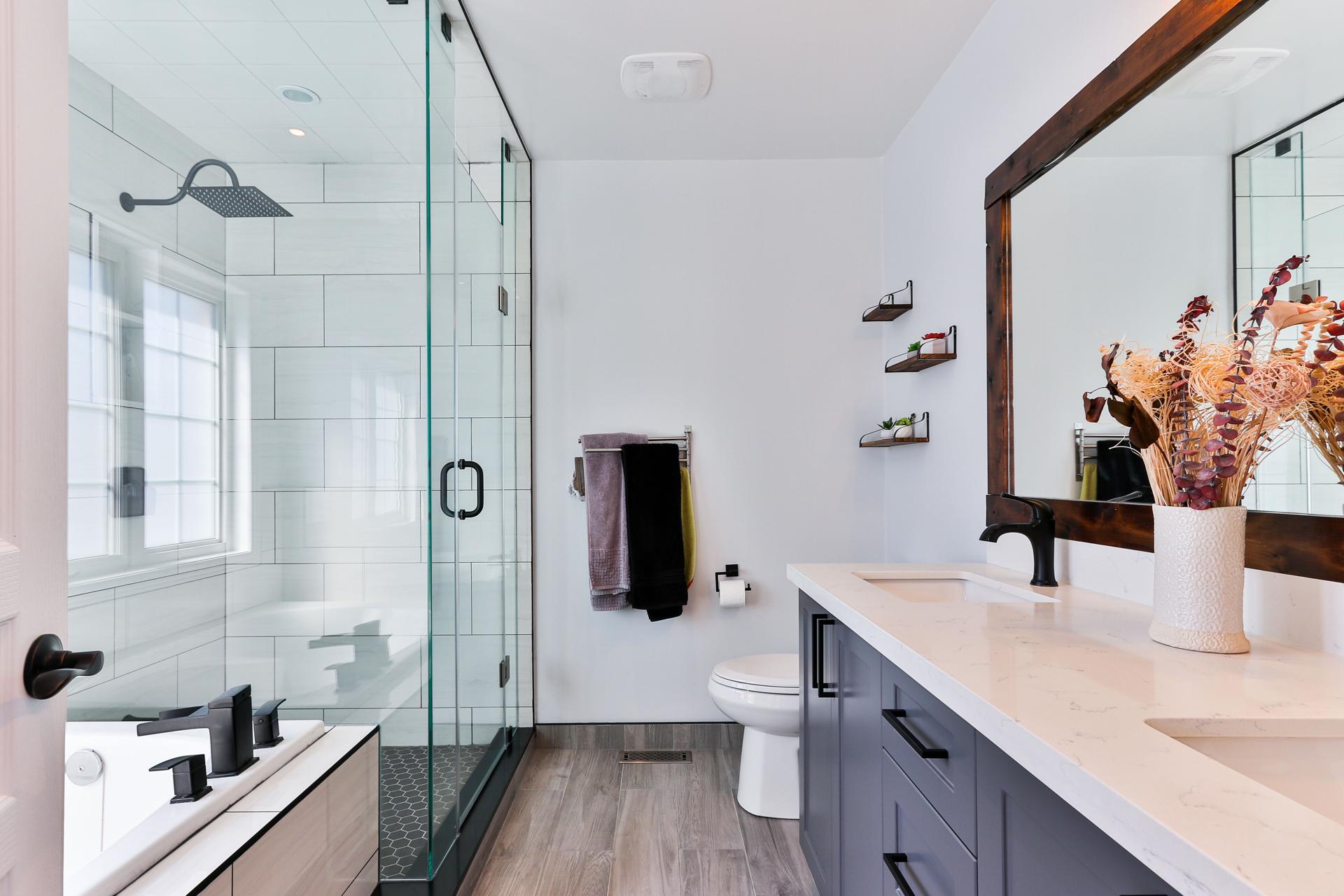
Plumbing for hot water is a vital aspect of everyday life. We rely on hot water for a variety of reasons including taking a bath, washing dishes, and even doing laundry. In this article, we will provide you with a basic understanding of the way hot water plumbing functions.
The Basics of Hot Water Pipeline
The term "hot water plumbing" refers to the plumbing system that distributes hot water to various areas of a structure. It differs from cold water plumbing by heating water before it is distributed across the entire building. The major components of a hot-water plumbing system are the water heater, pipes valves, and fixtures. A water heater can be described as the most critical element of a hot water plumbing system. It heats the water and keeps it in storage until it is required. The pipes transport the warm water that is heated from the heater to the fixtures like showers and faucets. Valves control the circulation of hot water while fixtures serve to distribute hot water to various areas within the structure.
The different types of hot Water Heaters
There are three{ main|| primary} kinds of water heaters available on the market that include tankless, storage tanks, and heat pump water heaters. Tankless water heaters warm the water upon demand and do not keep hot water in storage. Tank water heaters that store hot water in a tank until it is needed. Water heaters with a heat pump use electric power to transmit heat through air or ground to heat the water. Every type of water heater is hot and has its advantages and disadvantages. Tankless water heaters are more energy-efficient and have a longer life however, they are more costly. Storage tank water heaters are less expensive but have a shorter life span and aren’t as efficient in energy use. Water heaters with heat pumps are the most efficient in terms of energy consumption, but could not be suitable for climates with colder temperatures.
Hot Water Plumbing Maintenance
Regular maintenance is vital for ensuring that your hot-water plumbing system is operating effectively and efficiently. A few suggestions for maintaining hot water plumbing systems include checking for leaks as well as flushing the tank as well as replacing the rod that acts as an anode. It is crucial to check for leaks to prevent water damage and to make sure that the hot water plumbing system is not wasting water. Flushing the tank removes minerals and deposits of sediment, which could reduce the effectiveness that the heater is able to provide. The anode rod is constructed to protect against corrosion and should be replaced every few years.
Troubleshooting hot water plumbing issues
Common problems that arise with hot water plumbing systems include lack of hot water or low water pressure. If you notice a shortage or lack of hot water it may be caused by an inoperative heating element or a defective thermostat. Low water pressure can be caused by a clogged the valve or pipe. If you encounter one of these problems it is suggested that you speak with a professional plumber to identify and fix the issue.
Conclusion
Understanding how hot water plumbing works is vital to ensure that your hot water plumbing system is functioning properly and effectively. Regular maintenance and troubleshooting is crucial to avoid issues and prolong the lifespan of your hot water system.
Heating Water FAQ
How long does a hot water heater last?
The life span of a hot water heater depends on the model and type. On average, a storage tank water heater lasts 8-12 years and tankless water heaters can last up to 20 years.
What can I do to determine if my hot water heater needs replacement?
Signs that your hot-water heater is in need of being replaced include rust or corrosion in the tank. Other signs include leaks, strange sounds, or a shortage in hot water. If you are experiencing any of these issues it is suggested that you speak with a professional plumber.